












Frequently Asked Questions
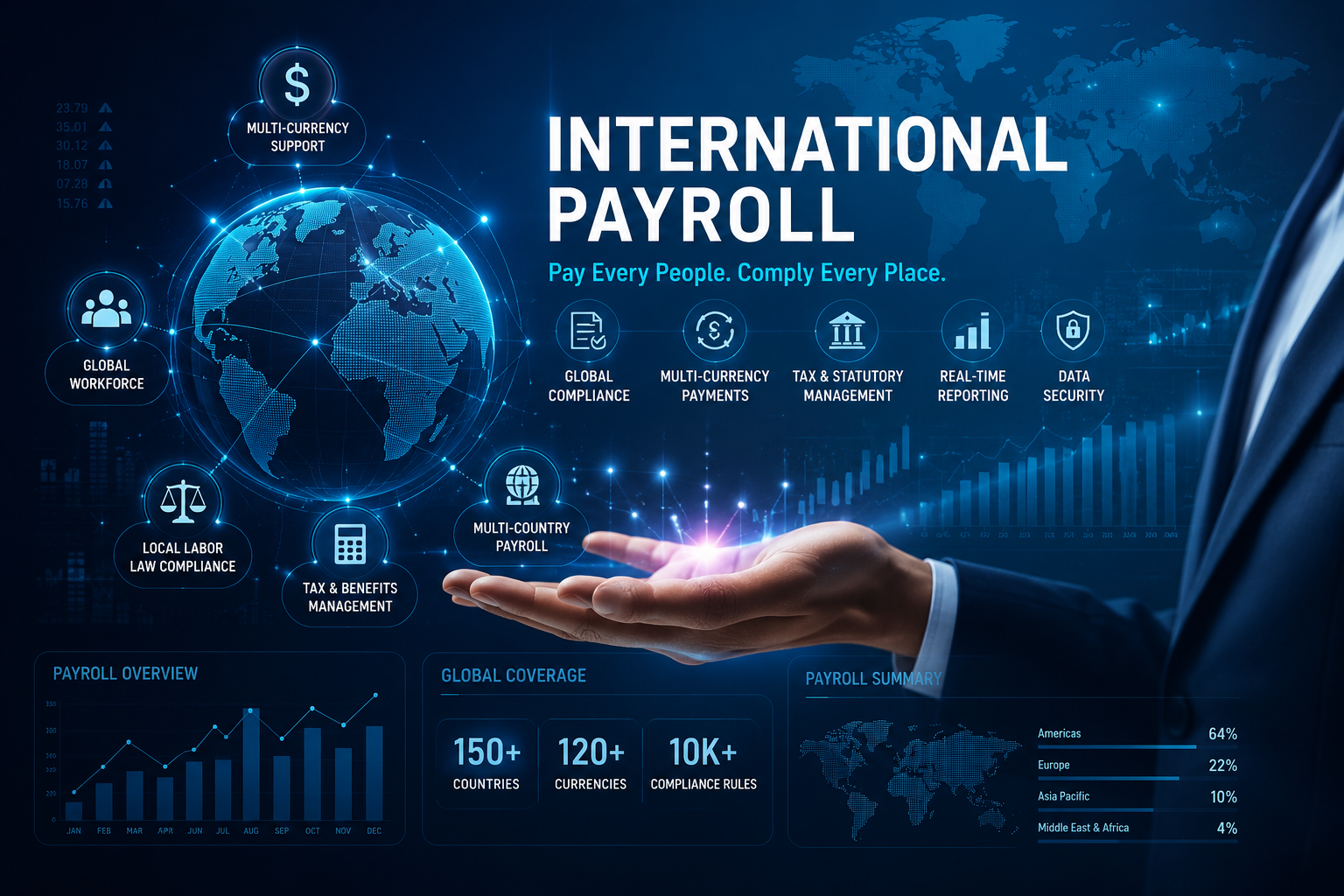
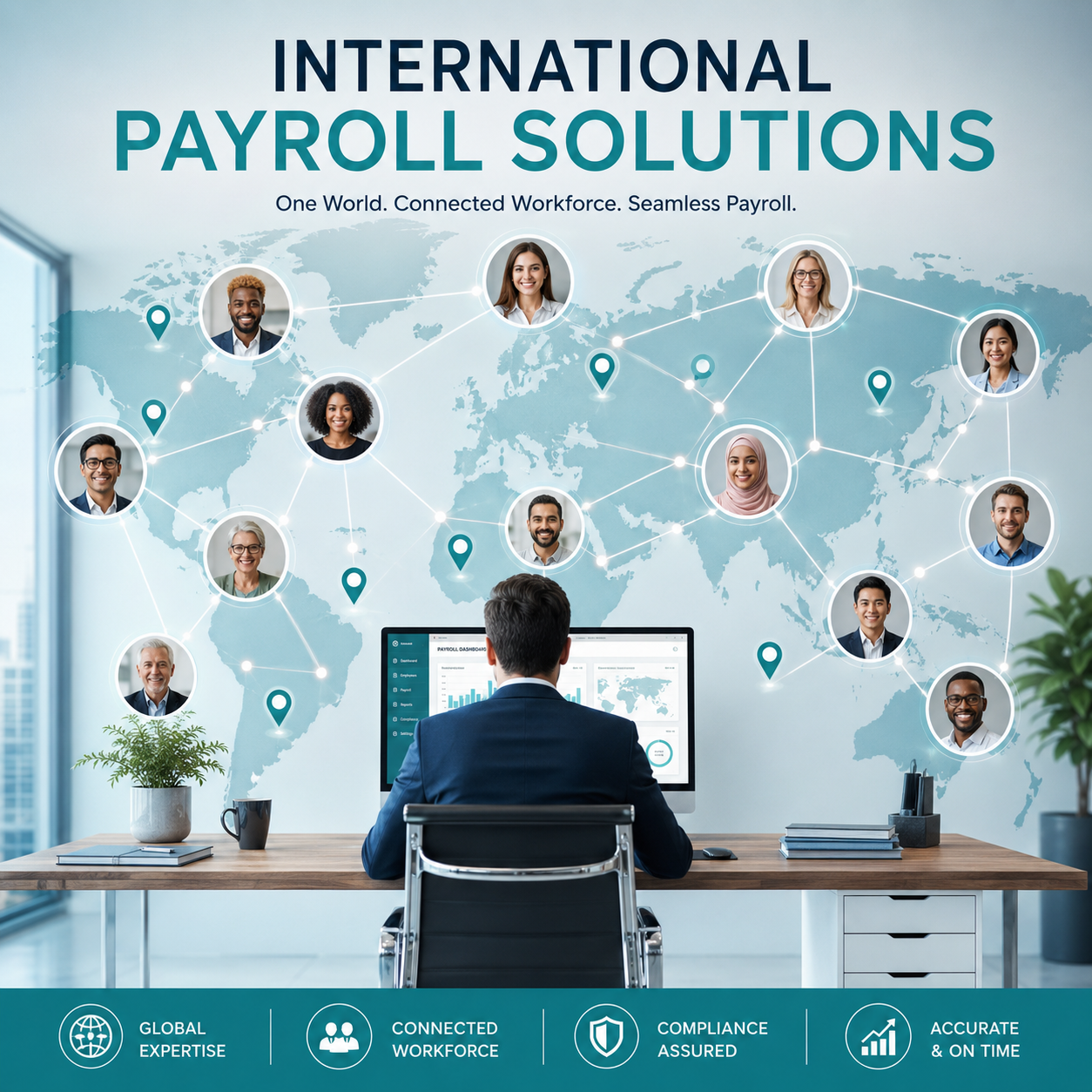
International payroll solutions are platforms or managed services that handle employee compensation across multiple countries. They manage local tax calculations, statutory contributions, multi-currency payments, compliance with regional labour laws, and consolidated reporting — all from a unified system, so businesses don't need separate payroll setups for each country they operate in.
Yes — modern international payroll platforms are built to manage multiple workforce types within the same system. Full-time employees, part-time staff, independent contractors, and PEO arrangements can all be processed through a single platform, each with the correct tax treatment, deductions, and documentation required by their country of engagement.
A good international payroll system processes salaries in each employee's local currency, using agreed exchange rates (fixed or market-rate, depending on your policy). Payslips are generated in local currency for employees, while finance receives consolidated reports in the company's base currency. This eliminates manual FX reconciliation and gives treasury teams better visibility into global labour costs.
Reputable international payroll providers maintain dedicated compliance teams that monitor legislative changes in every country they support. When a tax rate, contribution threshold, or statutory requirement changes, the platform is updated automatically before it affects the next pay cycle — so your business stays compliant without needing to track global labour law developments internally.
Not at all. International payroll solutions are just as relevant for startups hiring their first overseas employees as they are for established multinationals. In fact, getting the right infrastructure in place early often prevents the expensive compliance corrections and system migrations that come from outgrowing a domestic-only payroll setup as the business scales.